



Progress toward a deal to end the Iran War slowed to a trickle on Monday (May 25) as the United States and Iran dug in over several issues. Both sides cannot afford to be seen as the loser in any potential deal. The slowdown began with President Trump giving hope that a deal was close, only to say later that he wouldn’t rush to conclude an agreement that wasn’t right.
Washington and Tehran are working toward a memorandum of understanding that would end the fighting and lift constraints on shipping traffic in the Strait of Hormuz over 30 days while setting the stage for talks about Iran’s nuclear program in a second phase. But there is one huge problem – distrust. Both sides do not trust each other, hence neither side wanted to end up looking like a sucker.
The U.S. is seeking clearer commitments from Iran about its nuclear program up front, while Iranian negotiators are pressing for details from the U.S. about relief from sanctions and asset freezes. Washington worries Tehran will drag its feet on nuclear issues after securing some relief, while Iran worries whether the U.S. will release some of its estimated US$100 billion in frozen assets and lift some sanctions to allow Iran to sell its oil.
In general, there is pressure on both sides to get to a deal. Trump has been eager to end a war that is unpopular at home and has raised the price of gasoline, putting pressure on consumers. Iran, on the other hand, is eager to secure financial relief after the war and U.S. blockade added to the pressure of what was already a spiraling economic crisis.
Even Arab countries, including Saudi Arabia and the United Arab Emirates (U.A.E.), are not convinced and have pressed the U.S. and Iran to include a “clear clause” in the MOU (memorandum of understanding) that would ensure freedom of navigation in the Strait of Hormuz. The current draft of the memorandum of understanding lacks binding clauses on Iran’s nuclear program.
Iran has so far agreed to only waive fees (not eliminate) on ships passing through the strategic waterway for the duration of the talks. Furthermore, for the next phase, Iranian negotiators indicated they could discuss a shorter suspension of uranium enrichment than the 20 years sought by the U.S. and that stockpiles of uranium enriched above 20% could be diluted inside Iran under regional supervision.
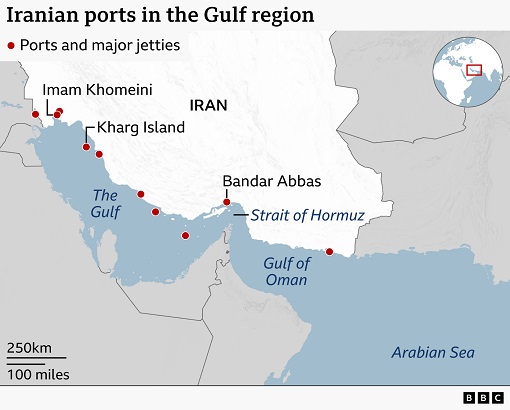
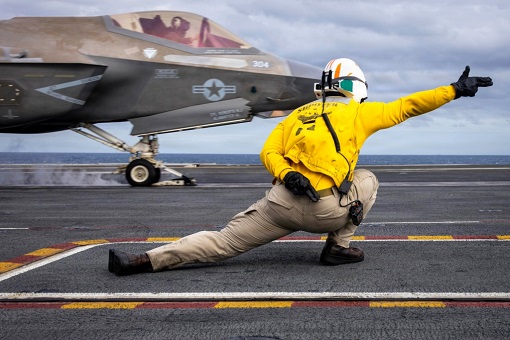
Then, the U.S. military suddenly attacked Iran on Monday. The U.S. sank two Revolutionary Guard ships it said were attempting to lay mines in the Strait of Hormuz. The Pentagon claimed that the strikes were conducted “in self-defence”. Iran responded by launching surface-to-air missiles at U.S. drones and a F-35 jet fighter, prompting American attacks on missile launch sites in Bandar Abbas in Iran.
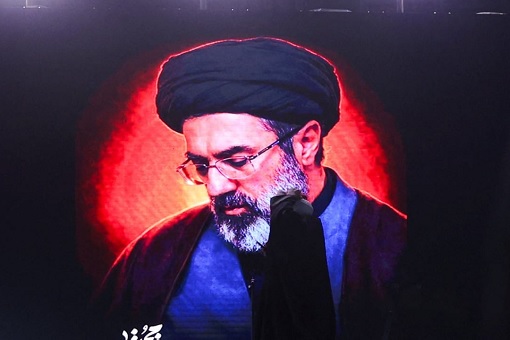
Still, the fact that Tehran’s top negotiator, Mohammad-Bagher Ghalibaf, has remained in Qatar for a second day of talks on a deal to end the war despite a deadly U.S. strike on Iranian forces speaks volumes about Tehran’s desperation to end the war. However, mediators are still concerned over who is calling the shots in Iran – Supreme Leader Mojtaba Khamenei has not seen or heard from since being appointed in March.
In another sign of a power struggle inside Iran, residents said access to the internet remained restricted, a day after President Masoud Pezeshkian said the internet would be restored to pre-protest levels after more than 88 days of blackout. The president’s announcement appeared to clash with hard-liners’ resistance in reopening the internet.
In the same breath, the U.S. military decision to strike targets in southern Iran is not merely a political warning to the Iranian authorities, but also was primarily designed to ease the domestic political pressure on Mr Trump. Despite having threatened to wipe out the “entire civilization” of Iran, the U.S. president – mocked as TACO (Trump Always Chicken Out) – has made quite a number of concessions.
Before the U.S. and Israel launched their military offensive on Feb 28, they demanded that Iran surrender its highly enriched uranium and dismantle its nuclear programme, as well as agree to limit its missile arsenal and give up support for pro-Iranian proxy militias throughout the Middle East. Over the past few weeks, however, demands about limitations to Iran’s missile arsenal and support for various regional militias were dropped altogether.
Heck, even the U.S. expectations of Iranian concessions on nuclear matters were watered down considerably. According to the latest diplomatic reports, U.S. diplomats are prepared to even accept a deal under which Iran declares that it does not seek to produce an atomic bomb, but leaves the rest, including the fate of Iran’s highly enriched uranium, to subsequent discussions.
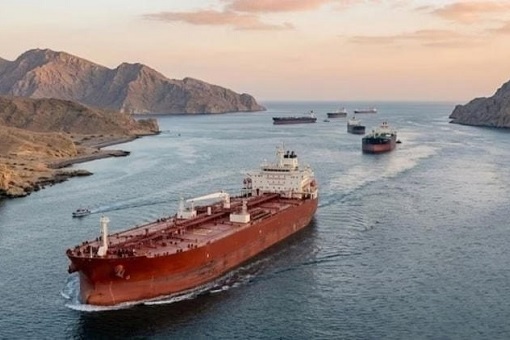
Mr Trump hoped that the immediate reopening of the Hormuz strait once a deal is concluded should be enough to reassure financial markets and crown the U.S. President as a skilled negotiator. But while the planned deal was expected to invite criticism from the Democrats, the brickbats that landed on the President from some of his strongest Republican followers were incredibly damaging.
Senator Lindsey Graham, a vocal supporter of the war who chairs the U.S. Senate’s Budget Committee, said that the proposed deal would leave Iran in a stronger position in the region, as well as being a “nightmare for Israel”. Senator Roger Wicker, who chairs the Senate Armed Services Committee, dismissed the proposed deal as “a disaster”, saying that, if accepted, all the US military effort in the Gulf “would be for naught”.
Donald Trump, initially refused to acknowledge the criticism, has started making U-turn from his initial claim that a diplomatic deal with Iran was either imminent or “great for the United States”. Even Secretary of State Marco Rubio has – hilariously – suddenly returned to reiterating old pre-conditions that Iran should surrender its enriched uranium stockpile.
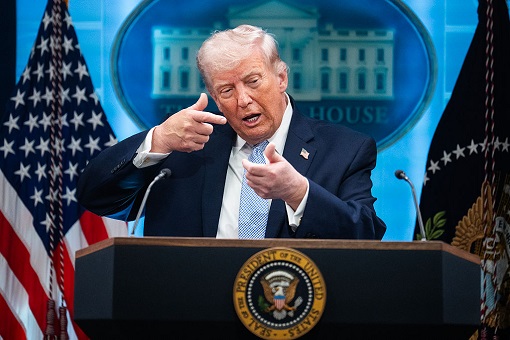
By authorizing limited military strikes on Iran, Mr Trump is clearly hoping that it will restore his credibility as a tough negotiator who prefers no deal to a bad deal. This was a publicity stunt, designed to reassure Mr Trump’s domestic critics that the deal the U.S. is negotiating with Iran would contribute to regional stability. To make the deal more convincing, Trump has expanded the scope of his diplomatic ambition.
Not only is Trump now seeking an end-of-war agreement with Iran, but he is also pushing to normalize relations between Israel and the broader Middle East. The normalization push could give Trump a way to cast any limited cease-fire and shipping pact as a larger regional success story instead of a climbdown, after defense hawks in his own party warned that a bad deal could tarnish his legacy.
On Truth Social, Trump said he wanted Saudi Arabia, Qatar, Pakistan, Turkey, Egypt and Jordan to sign on to the Abraham Accords, establishing or expanding diplomatic relations with Israel. He suggested Iran could join as well once Tehran signed a peace deal. “This will be the most important deal that any of these great, but always in conflict countries, will ever sign,” – Trump said on social media.
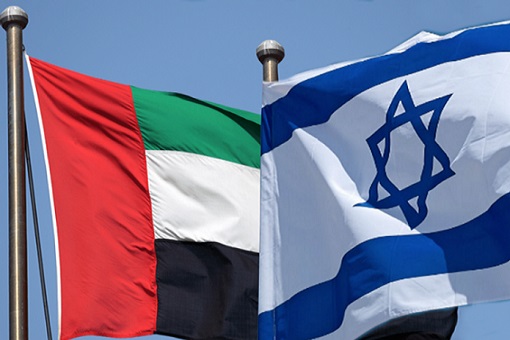
The 2020 accords – brokered during Trump’s first term and signed by the U.S., Israel, the United Arab Emirates and Bahrain – normalized relations between the nations and further isolated Tehran. The agreement left out the Palestinians, who halted engagement with the Trump administration and its peace efforts after Washington recognized Jerusalem as Israel’s capital.
But the countries Trump wants to sign on to the Abraham Accords – especially Saudi Arabia – are unlikely to do so. Riyadh has long said it would only agree to the pact if there were a clear pathway toward a Palestinian state. The region’s relations with Israel have worsened since it flattened Gaza following the Hamas-led attacks on Oct. 7, 2023.
Egypt and Jordan already have peace treaties and diplomatic ties with Israel. Saudi Arabia was close to joining the accords before the war in Gaza, but has since insisted Israel first commit to a path to a Palestinian state. Turkey and Qatar’s relationships with Israel have come under increasing strain.
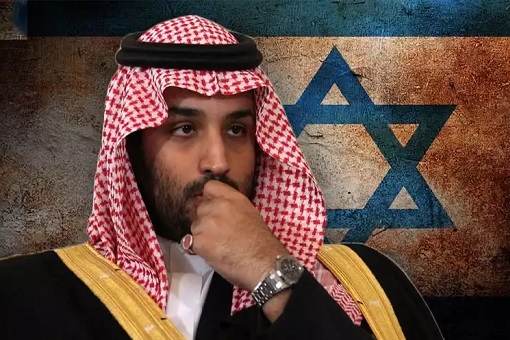
To make the negotiations more complicated, Israel is pushing the U.S. to include freedom of operation for Israel in Lebanon in the proposed peace deal with Iran. Despite the truce between Israel and Beirut, Israel and Hezbollah have continued to exchange fire. Even if the U.S and Iran strike a deal, there’s no guarantee the Israeli will not go solo in its mission to bomb and kill its enemies..
Other Articles That May Interest You …
- Special Task Force – Israel’s Campaign To Kill Every Oct 7 Attacker Revealed
- No More Safe Havens – Israel’s Airstrike In Qatar Sends New Message To Countries Harbouring Hamas Terrorist
- Paying The Price For Hamas Attacks – How Trump Misled Iran Before Israel Sends 200 Jets To Attack
- Ran Out Of Luck And Place To Hide – Here’s How Israel Trainee Squad Accidentally Killed Hamas Mastermind Sinwar
- Live By The Sword, Die By The Sword – Anwar Madly Angry After BFF Hamas Terrorist Leader Haniyeh Assassinated
- Playing A Dangerous Game – Here’s Why Facebook Removes News Of PM Anwar Meeting With Hamas Terrorists
- Hamas Is Game Over – How The Terror Group Miscalculated, Betrayed, Abandoned And Made More Mistakes
- Careful What You Wish For – U.S. May Slap Economic Sanction On Malaysia For Supporting & Training Hamas Terrorists
- Human Shields – How Hamas Cleverly Wins Propaganda War, But Was Stunned By “Fire Power” Unleashed By Israel
- Told You So!! – Congrats To Anwar For Radicalizing School Kids As Potential Hamas Terrorists Playing With Guns
- An Eye For An Eye!!! – No One Can Stop Israel From Reducing Gaza To Rubble And Erase Hamas Terrorists

|
|
May 26th, 2026 by financetwitter
|


|

|

|

|

|

|















Comments
Add your comment now.
Leave a Reply