



From chocolate to skincare, and from Rolex watches to Nestle Nespresso coffee, American buyers of Swiss products would have to pay more as 39% tariffs announced by President Donald Trump comes into effect on Thursday (August 7). Facing one of the highest U.S. tariff rates in the world, many politicians, analysts and businesses were stunned – and speechless – over the punishment.
As Swiss President Karin Keller-Sutter scrambled – without a formal invite from the White House – to meet Secretary of State Marco Rubio on her emergency trip to lower the unexpected 39% tariff, she still couldn’t believe her eyes that Switzerland is getting a very bad deal (almost as bad as Laos and Myanmar) while the European Union got 15% tariff and U.K. got only 10% tariff.
Understandable, the U.S. has a hefty trade deficit with Switzerland, totaling US$38.3 billion in 2024. However, the Swiss government argues that the gap is largely due to its status as the world’s biggest center of gold refining, with huge quantities of the precious metal passing through the country for processing before it is sent around the world. But Trump couldn’t care less.
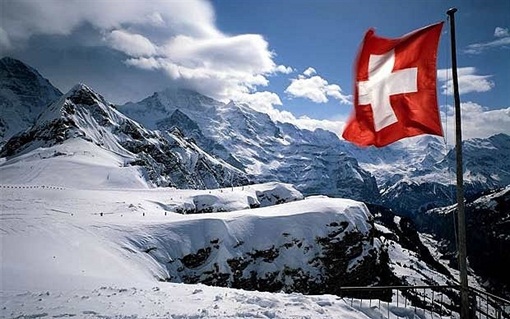
Switzerland’s negotiating chips – to purchase 36 F-35A jets from Lockheed Martin Corp – has so far failed to convince Trump. It didn’t help that the U.S. is also a major importer of Swiss pharmaceuticals – a sector which the U.S. president said could be hit with up to 250% tariff. Pharma products are currently exempt from the 39% levies.
But Trump’s 39% tariffs on Swiss is nothing compared to an executive order issued by Trump on Wednesday (Aug 6). The White House announced that it is imposing an additional 25% tariff on India, bringing the total levies against the major U.S. trading partner to a whopping 50%. Trump said – “I find that the Government of India is currently directly or indirectly importing Russian Federation oil,”
It was only last week when Donald Trump said that India would pay a tariff of 25%, in addition to a “penalty”over the country’s purchase of military equipment and energy from Russia. But Trump said on Tuesday (August 5) he would increase the tariff on imports from India “very substantially” over the next 24 hours, accusing New Delhi of purchasing Russian oil that “fuel the war” in Ukraine.
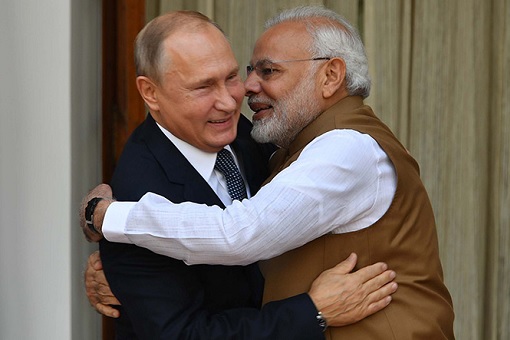
The “secondary tariff”, a tool Trump deployed to force countries to distance themselves from U.S. adversaries, would take effect in 21 days (August 27). Similar to secondary sanction, the idea behind secondary tariff is to use a weapon against a country to penalize or try to influence a different country. India’s foreign ministry said the decision was “extremely unfortunate” and that New Delhi will take all actions necessary to protect its national interests.
The new tariffs, which could push Indian export duties to as high as 50%, will impact sectors such as textiles, footwear, gems and jewellery. India exported nearly US$87 billion worth of goods to the U.S. in 2024, making the Indian goods commercially unviable. Essentially, Indian exporters now face a 30% to 35% disadvantage compared with competitors in Vietnam, Bangladesh and Japan.
Rubbing salt in the wound, India has increased its manufacturing of not just generic medical medications, but also things like gauze and wraps and other types of pharmaceutical products. So, not only will Indian textiles be more expensive than those made in Bangladesh and Vietnam, but they could face a losing battle against China in the global medical products market.
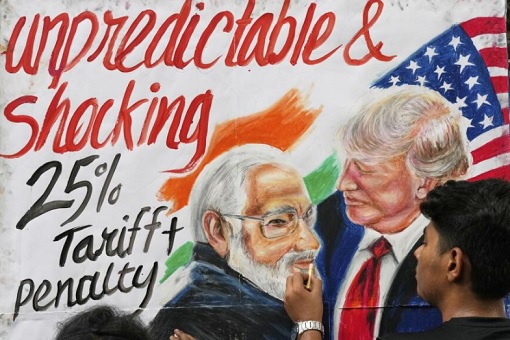
Trump’s tactical move follows five rounds of stalled trade talks, derailed by disagreements over U.S. access to Indian agriculture and dairy markets, and New Delhi’s refusal to cut Russian oil imports, which hit a record US$52 billion last year. India does not have any trump cards to play, hence it has not announced any retaliatory tariffs or plans for a high-level visit to Washington.
Instead of retaliating like Beijing, the government of Narendra Modi is considering domestic relief for exporters, including loan guarantees and interest subsidies. A sharp drop in shipments to the U.S. could drag India’s GDP growth below 6% this year, down from the central bank’s 6.5% forecast. As a result, the Indian rupee and stock market tumbled.
India was incredibly upset with the U.S.’ double standard because despite China also buying oil from Russia, Beijing was not subject to the additional tariffs in the order signed by the U.S. president. The U.S. and China are currently engaged in trade negotiations, with Washington imposing a 30% tariff on Chinese goods and facing a 10% retaliatory tax from Beijing on American products.
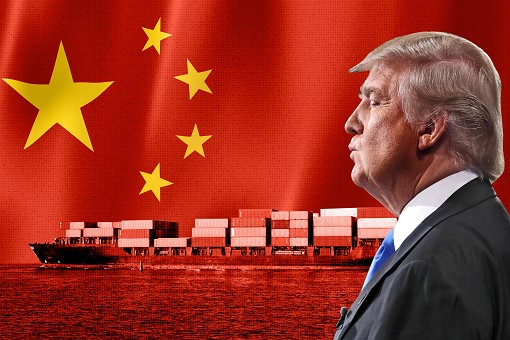
This means the U.S.’ tariffs on ally India are more severe than enemy China. Hilariously, many American companies have seen India as an alternative to Chinese manufacturing, which Trump had hoped to diminish through the use of tariffs. Trump, however, chicken out after China’s President Xi Jinping weaponize rare earth minerals – Beijing’s ultimate trump card – and forced Washington to kowtow.
Donald Trump doubled U.S. tariffs on India to 50% – making India the most heavily taxed U.S. trading partner in Asia – was also “unfair and unjustified” because the European Union also is purchasing Russian oil through backdoor, but not penalized. Most Indian exporters have said they can barely absorb a 10-15% rise, let alone a combined 50% tariff which is far beyond their capacity.
The relationship between India Prime Minister Narendra Modi and U.S. President Donald Trump was like no other. The men shared bear hugs, showered praise on each other and made appearances side by side at stadium rallies. Each called the other a good friend. Yet, Modi now appears to be a worse enemy than Vladimir Putin or Xi Jinping just because the U.S. can easily bully India over Russian oil.
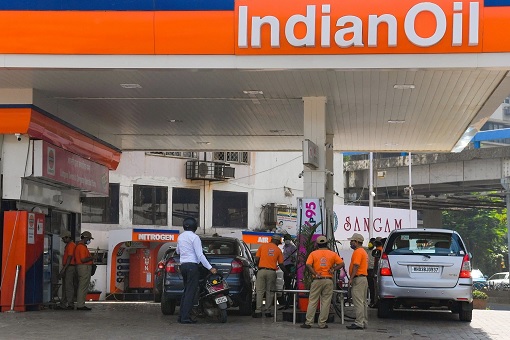
Trump accused India of buying “massive amounts” of oil from Russia and then “selling it on the Open Market for big profits.” Trump growing closer to Pakistan, India’s nuclear rival in the neighbourhood, is also seen as a slap in the face of New Delhi. Hours after imposing tariffs on India, Trump announced a “massive” oil exploration deal with Pakistan, saying that some day, India might have to buy oil from Islamabad.
However, Trump’s tactical move to pressure Modi could backfire – if India dares to call the U.S. bluff. As Prime Minister Narendra Modi is preparing for his first visit to China in over seven years, it has raised speculation about a potential shift in New Delhi’s strategic alignments. Modi’s visit for the regional Shanghai Cooperation Organisation (SCO) summit might revive India-Russia-China trilateral talks.
While Modi government still has 20 days to negotiate with the Trump administration, India should take the opportunity to leverage on its economic membership in BRICS, which also includes Brazil, Russia, China and South Africa, to reduce dependency on the U.S. Both supporters of Modi and the opposition Congress party have called on PM Modi to respond firmly to the U.S. tariffs, urging action “with self-respect and dignity.”
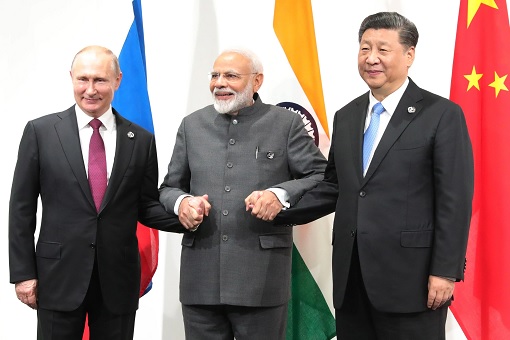
“India’s national interest is supreme. Any nation that arbitrarily penalises India for its time-tested policy of strategic autonomy, rooted in the ideology of non-alignment, does not understand the steel frame India is made of,” – Congress party president Mallikarjun Kharge said. Modi has said that “India will never compromise on the wellbeing of its farmers, dairy (sector) and fishermen.”
Showing Beijing’s friendship, Chinese ambassador to New Delhi Xu Feihong on Thursday criticised President Trump and called him a “bully”, as well as insulting India as “dead economy”. The envoy said – “Give the bully an inch, he will take a mile.” India is learning the hard way why Henry Kissinger once said – “It may be dangerous to be America’s enemy, but to be America’s friend is fatal.”
Other Articles That May Interest You …
- Malaysia, Thailand, Cambodia Celebrate 19% Tariffs – The Art Of Sucking Up Trump & Surrendering Concessions
- US-EU Giant Trade Deal – Why Europe Pretends 15% Tariff “Bad Deal” Is A Good Deal
- Trump Threatens 100% Tariffs On Russia – But Here’s Why Russian Markets Jump In Celebration Instead
- Pawns Europe & Ukraine Got Played – The Hidden Message Behind US-Russia Talks In Saudi Without Allies
- China Secretly Hiding Tonnes Of Gold – The Buying Spree In Preparation Of Trade War, Sanctions Or Even Invasion Of Taiwan
- Sanction My Foot! – Russia Makes A Mockery Of Western Oil Sanctions, While China & India Laugh All The Way To The Bank
- Welcome To The Club – Here’s Why France Wants To Join BRICS, And Why Russia Objects The Idea
- Europe Closed Front Door, But Opens Backdoor – How India Makes Easy Money Reselling Russian Cheap Oil To EU
- France Joining De-Dollarization – Why China Gave Macron Lavish Banquet, But Treated Ursula Like Pariah
- Black Market For Oil Is Booming – How Russian “Dark Fleet” Of Tankers Evade Western Price Cap

|
|
August 7th, 2025 by financetwitter
|


|

|

|

|

|

|










Comments
Add your comment now.
Leave a Reply