



2.6 percent GDP growth is not exciting, nor is it the kind of number that makes politicians puff their chests or retail traders load up on call options. However, it is the kind of number that should make long-term investors smile.
Because in 2025, while half the world is going through rate hikes, currency shocks, and geopolitical drama, Singapore is quietly compounding.
And that, frankly, is what separates real investing from gambling.
A practical forecast that doesn’t promise miracles
The Monetary Authority of Singapore (MAS) recently released its quarterly survey of professional forecasters. The headline figure remains unchanged from the previous quarter’s forecast. A 2.6 percent GDP growth is expected for 2025. The survey includes inputs from 20 private-sector economists, whose consensus hasn’t flinched despite global noise.
Now, most forecasts are little better than horoscopes. But when a number like 2.6 percent sticks through two quarters of inflation reports, trade tensions, and election-cycle panic, you would like to trust that it’s grounded in reality.

What’s holding this growth up?
So what made economists so confident about the growth rates? Production, trade, innovation, and disciplined policy are all behind this number. Here’s what’s going on in Singapore:
- Core inflation is under control – Headline inflation is forecast at 1.7%, and core inflation at 1.5 percent for 2025, which is well within MAS’s target band. In May, core inflation aligned with private-sector economists’ median forecast at only 0.6 percent. That was driven mainly by lower food inflation.
- Trade is stabilizing – Despite the disruptions in global trade caused by new tariffs, Singapore’s export engine hasn’t stalled. Electronics, pharmaceuticals, and shipping are still moving. That says something about supply chain resilience and adaptive policy.
- Construction and domestic services are running efficiently – Tourism is picking up again. Housing demand is firm. Infrastructure spending is measured.
And most importantly, Singapore isn’t relying on pumping the system with artificial demand. This is organic, earned growth. Because,
- Trade, production, and services are functioning competitively.
- Growth is coming from real output, not financial tactics.
- MAS isn’t micromanaging markets; it’s letting fundamentals lead.
This makes the economy in Singapore a sustainable, less volatile, and attractive option for long-term investors.
Why this boring forecast is fueling market confidence
Markets are forward-looking machines. They don’t respond to daily numbers without pricing in tomorrow’s surprises. And sustainable growth reduces surprise risk.
Equities
The Straits Times Index (STI), which reflects major blue-chip companies, is growing methodically. That’s how durable gains are built.
- Banks benefit from solid lending volumes and moderate rates.
- Exporters stay competitive thanks to smart FX management.
- Real estate is gaining ground again as rate pressures ease.
Nobody’s overleveraged. Nobody’s chasing hype. That means when global markets get whiplash, Singapore’s investors sleep better.
The Singapore stock market may not feel easy right now, but it’s not irrational either. And that makes it a better long-term bet than any flash-in-the-pan IPO from Silicon Valley.
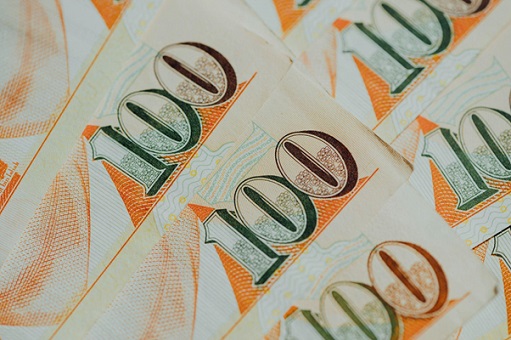
The SGD is quietly winning
MAS doesn’t mess with interest rates like most central banks. Instead, it manages the exchange rate using a policy called the Singapore Dollar Nominal Effective Exchange Rate. This is a smarter system for a trade-dependent economy like Singapore.
In plain terms:
- MAS allows the SGD to trade within a controlled band.
- If the SGD gets too strong or weak, MAS quietly buys or sells foreign currencies to steer it back inside the lane.
- They don’t announce exact targets, but they regularly adjust the slope or width of the band to guide currency trends.
This system is technical, discreet, and highly disciplined. The first move of the year was in January, then in April.
- January 2025: MAS eased by moderately slowing SGD appreciation, responding to unexpected inflation cooling (~1.8–1.9 percent).
- April 2025: MAS acted to cushion growth against a weaker first-quarter GDP (a 0.8 percent contraction) and rising trade uncertainties from new U.S. tariffs by further softening the slope.
As a result, the SGD was allowed to appreciate even more gradually. This effectively lowered domestic financing costs without slashing interest rates.
The result?
- The SGD is stable in a year when the yen and yuan are volatile.
- Importers benefit from improved buying power.
- Investors see the SGD as a safe option.
So if you’re holding cash or assets in SGD, you’re avoiding high volatility.
Let’s talk risks
Investment always comes with risks. But Singapore isn’t ignoring them. It’s pricing them in.
- Tariffs and trade barriers are a real threat. Regional exporters like Singapore could feel it if U.S.–China tensions boil over.
- China’s economic slowdown is a structural risk to Asian trade volumes.
- Election-year volatility in major economies (U.S., EU) could affect capital markets.
However, the 2.6 percent growth forecast already factors in some of these risks. It’s a hedged, informed projection.
The point is not to predict everything. It is to stay invested in systems that don’t break when things go wrong. And Singapore is good at doing this.
For investors who think long-term
If you want huge gains, look elsewhere. If you want resilience, discipline, and a path to consistent returns, Singapore is offering it on a silver platter.
What to Do With This Information:
- Own the right equities: Focus on Singapore banks, infrastructure firms, and export giants. These are businesses that compound.
- Use the SGD smartly: If you’re trading, the SGD is a defensive play. If you’re earning, it’s a wealth-preserving currency.
- Avoid the temptation to chase noise: U.S. tech may dazzle. But durable value lives in places like Singapore in years like these.
- Use the right tools to stay ahead: Use real-time charting and technical analysis tools, like TradingView Singapore, which give you access to macroeconomic overlays (like inflation, exports, FX strength, etc.). You can track the SGD against other currencies, analyze local equities on the STI with custom indicators, and view economic calendars highlighting MAS announcements and GDP releases.

This is what sustainable growth looks like
Singapore’s 2.6 percent GDP growth forecast won’t get people tweeting, but it should get you thinking. It reflects sound policy, disciplined management, and long-term strategy.
Markets reward reliability. The SGD is quietly gaining, the STI is moving with purpose, and inflation is staying in check. These are the results of deliberate, well-calibrated monetary policy.
Steady growth may not grab headlines, but it’s the foundation of real wealth. And in 2025, Singapore is delivering exactly that.

|
|
July 16th, 2025 by financetwitter
|


|

|

|

|

|

|






















Comments
Add your comment now.
Leave a Reply