



Warren Buffett is known as a buy-and-hold investor, hanging on to stocks for years and even decades. The billionaire famously said – “Only buy something that you’d be perfectly happy to hold if the market shut down for 10 years”. However, such an investing strategy can be effective only if companies are selected based on fundamental analysis. But can this method be used in other types of investments?
What was supposed to be a hobby has hit the jackpot for Lucas Shaw. The 27-year old account manager in Ohio used some of the gains to splurge on his fiancée’s custom engagement ring, which has three diamonds totaling 3.5 carats on an 18-karat gold band. The money will also help pay for their wedding. Shaw’s windfall didn’t involve Big Tech stocks or cryptocurrencies. It was Pokémon trading cards.
When Pokémon cards burst on the scene in the late 1990s, most players and collectors never expected that they could be worth thousands of dollars 25 years later. Pokémon are creatures with special powers (such as Fire, Water, or Psychic) that co-exist with humans in a Japanese media franchise centered on collecting, raising and battling them.
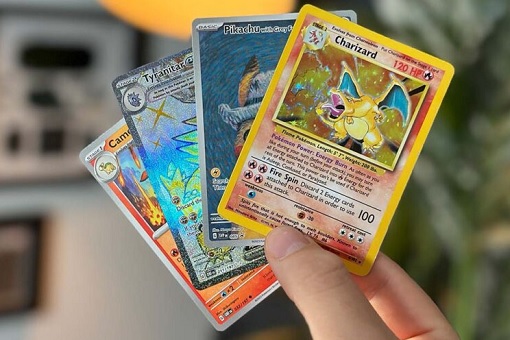
“It’s crazy because people bought Pokémon cards as a playable game as kids. You made a US$4 to US$5 investment on a pack of cards. Those cards you would pay a couple of dollars for. Twenty-five years later, those cards are worth thousands of dollars.” – said Rod Crochiere, owner of Pokémon Trainer Universe, a card shop in Franklin, Massachusetts.
At Crochiere’s shop, he has sealed packs of cards dating back to the late 1990s. One of these sealed packs can cost thousands of dollars, and people buy them hoping to land a rare, old card that has been protected in the packaging for decades. The most expensive cards have a holographic foil – proof of originality – on that artwork that makes them shiny and attractive.
The cute, fictional characters exploded in 1996, when Nintendo launched Pokémon as a video game. Pokémon trading cards, once swapped in schoolyards, have now become one of the most unlikely winners in global investing. Now, prices for the franchise’s trading cards are soaring like a Charizard, sparking a wave of risky speculation and even a crime spree in Japan.

Here’s how to play the Pokémon Trading Card Game – build a 60-card deck, shuffle it, and draw seven cards. Set six prize cards aside. Start the game by placing a basic Pokémon in the “Active” spot and up to five in your “Bench”. The goal is to be the first player to take all six prize cards by knocking out your opponent’s Pokémon with your Pokémon’s attacks.
Despite paying zero dividends, Pokémon cards have seen about 3,821% return – monthly cumulative – since 2004, according to analytics firm Card Ladder. That beats the S&P 500’s 483% returns over the same period, even outmatching so-called high-growth tech share Meta (Facebook), one of the Magnificent Seven that has climbed around 1,844% since the company went public in 2012.
Justin Wilson estimates his collection of around 500 cards and 100 sealed items is worth about US$100,000. The 32-year-old advertising manager in Oklahoma City started buying Pokémon cards as a kid in the 1990s. He picked up the hobby again in 2019 after realizing he had “adult money” to spend, and has no plans to stop. “You’ve gotta catch ’em all,” – said Wilson, who views the cards as investments similar to his Roth IRA retirement and Vanguard brokerage accounts.

Indeed, the “lockdown” during the Covid-19 pandemic is what caused people to go out in their attic to look for cards they had. They needed something to do, so they started getting back into Pokémon. The long period of lockdowns triggered a surge in online buying, sealed box breaks, and influencer-led hype, turning Pokémon from dusty shoebox hobby into a valuable asset.
While financial advisers caution against betting retirement savings on fictional battling critters, the cards caught fire among amateur investors during the pandemic. As some investors banded together to spark the GameStop meme stock mania, a more fringe group of traders, also stuck at home during the lockdown and armed with cash from government stimulus, began scooping up Pokémon cards.
The craze intensified after influencer Logan Paul revealed in 2022 that he acquired a near perfect-grade “Pikachu Illustrator” card worth US$5.3 million, setting a new Guinness World Record for the priciest Pokémon trading card sold in a private sale. The YouTuber famously purchased a Pokémon card from another collector for US$150,000. His card, a 10-grade first edition Charizard, is considered the holy grail of Pokémon cards.
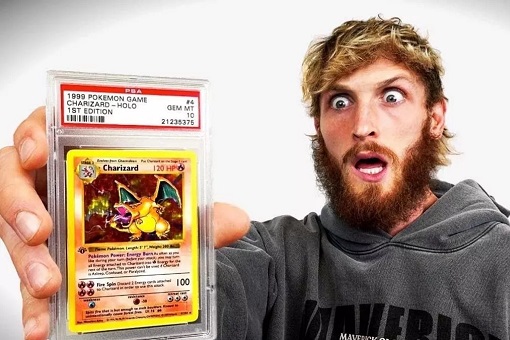
In 2024 alone, rare Pokémon cards climbed nearly 46%, nearly quadrupling the S&P 500’s gains, not bad for a hobby. For collectors who held onto mint-condition first-edition sets, the windfall has been extraordinary. While watches and whiskey were collectibles for those with deep pockets, trading cards were the future of investing for younger investors.
Whether a Pokémon card fetches millions of dollars or just pennies depends on a range of factors, including its rarity, the perceived quality of its artwork and ratings by third-party authenticators. Professional grading companies will grade cards on their condition, and typically that is on a 1-to-10 scale. A mint condition 10 grade will fetch the most money.
The popularity – hence value – of Pokémon cards is partly based on sentimentality, and largely due to scarcity. Millennials and Gen Z, who grew up with the franchise, are now at peak earning power. The cards represent both a piece of their childhood and a serious collectible market. First-edition cards, limited releases, and mint-condition prints obviously command premiums.
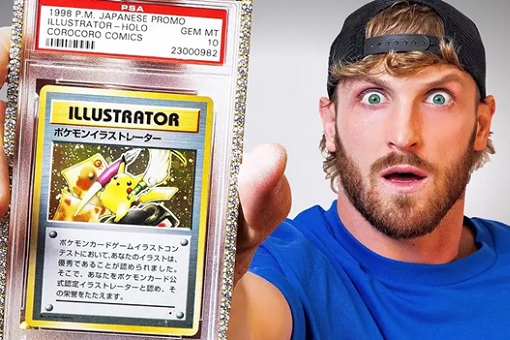
The Pikachu Illustrator card is one of the rarest and most expensive Pokémon cards ever. Given as a prize to winners of an illustration contest in Japan, only a few dozen are known to exist. This card has fetched over US$200,000 at auction, making it a top target for high-end investors. Another valuable Charizard card is the Shining Charizard from the Neo Destiny set. A PSA-10 Charizard from 1999 has sold for over US$300,000 at auction.
“A lot of us are chasing pieces of our childhood,” said Matthew Griffin. The 43-year old enterprise architect in Arkansas is curating Pokémon card collections that he likens to stock investment accounts for each of his five children. The cards, organized in binders, are stored in a climate-controlled storm room alongside other Pokémon merchandise, family heirlooms and his watch collection.
He plans to gift the binders to his children, currently aged 9 to 20, when they reach personal milestones such as getting married or buying a home. While it’s hard to predict if the cards will retain their value, Pokémon buffs say they are a safer investment than another alternative asset that also took off during the pandemic – baseball cards.
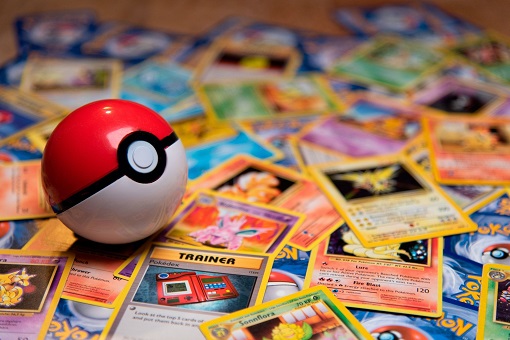
The advantage of Pokémon card – the characters are fictional. Even some baseball players agree. “Pikachu’s not going to tear his ACL and miss the whole season. Charizard is not going to get a DUI driving home,” – Philadelphia Phillies pitcher Matt Strahm said in a recent interview on freelance journalist Tyler Boronski’s YouTube channel.
Investing in Pokémon cards can be a fun and profitable way to diversify your portfolio. But critics say Pokémon card prices are inconsistent and subjective, not to mention the market comes with risks, including volatility and conditional dependence. There isn’t a standard price for the cards, and it’s unknown how many of each are in circulation. The market’s monster gains have also raised concerns about a potential bubble. Baseball cards famously crashed in value after companies ramped up production in the late 1980s.
Still, the fact remains that every single Pokemon booster pack and booster box that was released before 2015 is worth more today than it was on its release date. And there’s not a single Pokemon booster pack or booster box that was released between 1996 and 2015 that has not increased in value. Every Pokémon set eventually goes out of print, naturally increasing the price of the cards.
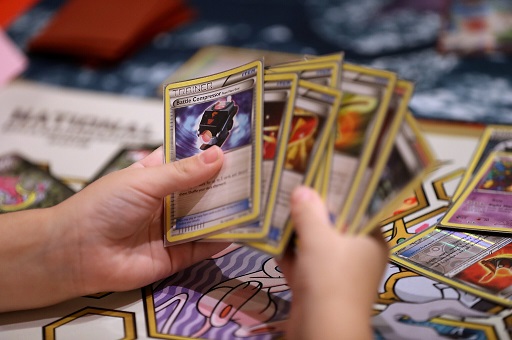
Charlie Pryds, a 28-year old in Denmark, began investing in Pokémon cards this summer. He discovered his childhood stash while on paternity leave with his 6-month-old baby girl, and is now working on completing his collection. “I like diversifying my investments. So I’ve got some stocks, I’ve got some crypto, and then, I figured I’d try starting a bit of Pokémon investing as well,” – said Pryds, a mason apprentice.
Other Articles That May Interest You …
- “Black Myth: Wukong” Makes $600 Million In 3 Days – But The West Is Very Pissed, Accused The Chinese Game Lack Diversity
- Maturity, Sportsmanship, Perseverance, Patriotic – The West Should Learn From This Interview With Chinese Genius Divers
- Sore Losers Get Jealous!! – Western Swimmers Accused Chinese Of Cheating At Paris Olympics After Losing Dominance
- Yellen Bows Repetitively – America Begging China To Buy $850 Billion Debt, But Beijing Has 5 Demands For The U.S.
- Electric Car As Cheap As $11,000 – How China Beats The U.S. In Electric Vehicles & Leaves Global Brands In The Dust
- Apple’s Secret $275 Billion Investment In China – A Warning Why The U.S. Cannot Afford To Start A War With The Chinese
- China Lectures Australia After Complains Chinese Jet Harassed Its Spy Plane – Dumping “Chaff” Which Sucked Into Engine
- Fidget Spinner – The Latest Toy Taking Playgrounds, Schools & Offices By Storm
- Beware! Your Samsung Smart TV Could Be A Spy Working For CIA / MI5
- Here’s Why Pokémon Go Isn’t Available In China, India & South Korea
- Why Do Olympic Athletes Bite Their Medals Like Hungry Wolves

|
|
September 12th, 2025 by financetwitter
|


|

|

|

|

|

|



















Comments
Add your comment now.
Leave a Reply