



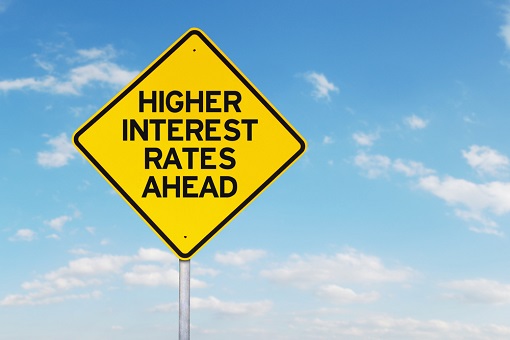
In a move widely anticipated by Wall Street, the Federal Reserve unanimously raised its benchmark interest rate by a quarter percentage point – with a possibility of one more increase in the cards before year-end. Effectively, the rate hike moves the central bank’s target range on the overnight funds rate to 3.75% to 4%, where policy makers voted 12-0 in favour of the increase.
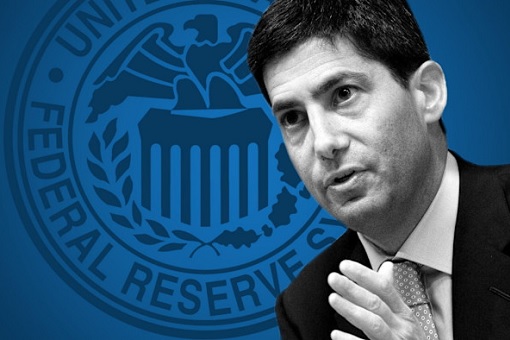
Despite President Trump’s demands to cut rates, the central bank’s tougher stance on monetary policy comes as the Fed struggles with stubborn inflation, worsened by a recent rebound in oil prices. At his press conference, Fed Chairman Kevin Warsh said that neither he nor his fellow policymakers are happy with the current pace of inflation.
“Our predominant focus is on the price stability side of our mandate,” – he said. “The plain fact is that inflation is too high and has been for too long.” The central bank aims for inflation of 2% over the longer run, measured using the personal consumption expenditures price index. However, inflation has remained above that target for more than five years.
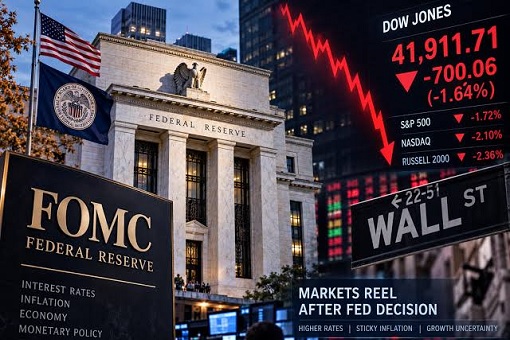
Fresh data has given policymakers reason to remain concerned. The August Consumer Price Index released last week came in at 3.4%. Iran War in the Middle East and Trump’s tariff policies have only added to price pressures. Crucially, the US economy has remained strong enough – continue growing whilst the labour market remains relatively resilient – for the Fed to do something about it.
A stable unemployment rate was another factor which had given the Fed confidence that the economy can withstand higher borrowing costs while it focused on getting inflation under control. When the Fed raises its benchmark rate, borrowing generally becomes more expensive across the U.S. economy. That can mean higher rates on mortgages, car loans and business borrowing.
The committee was more united than it had been in months. At the July meeting, when the Fed held rates steady, three officials dissented in favor of raising them. In June, at Warsh’s first meeting as chairman, the officials’ projections showed a clear split over whether hikes would be needed this year. The unanimity this round reflected a shift in how officials see inflation.
Theoretically, a higher interest rate may see consumers put off big purchases. Companies may think twice about expanding or investing. Eventually, spending slows down. Slower demand can in turn reduce pressure on businesses to raise prices, helping to cool inflation. Of course, the White House under the Trump administration disagrees.
The Fed’s decision to hike interest rates isn’t economically justified and won’t address the main factor contributing to high inflation, White House spokesman Kush Desai said. “Today’s rather unfortunate decision by the Federal Reserve to hike interest rates was not, from the administration’s point of view, backed by a particularly compelling economic case,” – Desai said in a Fox News interview.
“To the extent that we still do have inflation, as the president and others have noted, it’s entirely driven by an energy supply shock, by what’s going on with oil prices in the Middle East,” – Desai said. “These are things that have nothing to do with interest rates and are not affected really by higher interest rates.” Even then, the president was selective about which war was the culprit.
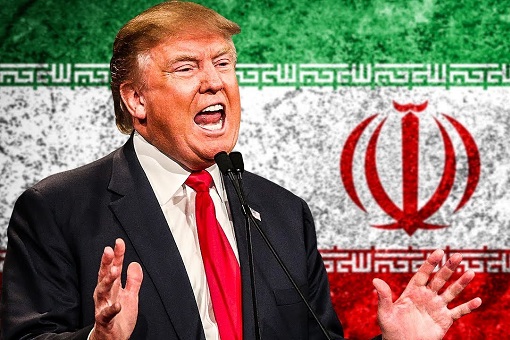
Refused to take responsibility, Donald Trump had claimed two days earlier that rapidly rising global diesel prices were “mostly caused by the Russia-Ukraine War, not Iran War.” Desai argued – “All higher interest rates are going to do right now is stymie the significant economic progress that the United States has made under this president.”
While Treasury Secretary Scott Bessent and other White House officials have said they respect the independence of the Fed and its chairman, Kevin Warsh, they have generally said they don’t see the need for rate increases. President Donald Trump has been more explicit, going so far as to threaten to sever trade ties with some nations if the Fed doesn’t cut.
Regardless of factors or excuses, the problem is that the effects of monetary policy take time to filter through the economy, and raising rates too aggressively carries risks. Higher borrowing costs can weaken economic growth and employment, which is why the Fed has to balance its goal of stable prices with its mandate to support maximum employment.
The calculation facing policymakers is therefore whether inflation poses a greater risk than the potential economic damage caused by tighter monetary policy. Federal Reserve Chairman Kevin Warsh underscored the importance of stabilizing consumer prices to grow the U.S. economy. “Price stability is foundational to economic growth, and I think we took an important step today to deliver it,” – said Warsh.
But the surprise was not about the 0.25% interest rate hike – the first time since July 2023, but rather the unexpected hawkishness of Warsh, so much so he provided guidance on future hikes, which surprised the markets. Higher US interest rates can make dollar-denominated assets more attractive to investors, supporting the U.S. currency and putting pressure on other currencies.
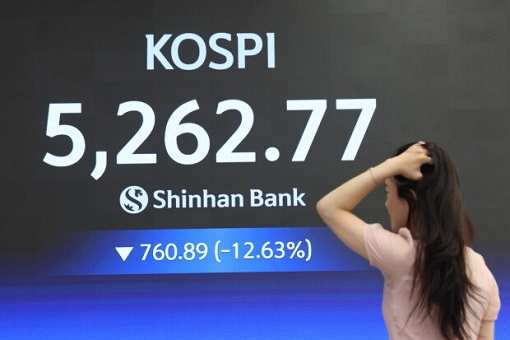
Already, the U.S. dollar skyrocketed to a seven-week high following the Fed’s decision as markets reassessed how high U.S. rates could go. A stronger US dollar can make imports priced in dollars more expensive for Asian economies. It can also tighten financial conditions, particularly for companies and governments with dollar-denominated debt.

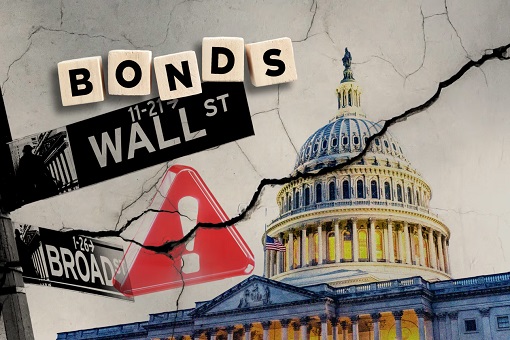
If inflation stays elevated and the Fed sees tighter policy as the only remedy, Morgan Stanley said the likely channel is falling asset prices – “The first thing to go would likely be financial prices and then maybe consumption.” With 10-year Treasury yields around 5% and mortgage rates near 7%, housing, car purchases and discretionary spending were already cooling.
Fed tightening campaigns have often continued until something gave way. In 2018, a late-year stock selloff helped persuade officials to end a mild rate-hike campaign designed to pre-empt inflation, which had only just reached 2% after years below it. In 2023, the collapse of Silicon Valley Bank, which touched off a broader regional banking scare, came a year into the Fed’s most aggressive increases in four decades to combat very high inflation.
JPMorgan said investors may need to reassess valuations if the Fed remains hawkish into 2027, particularly for technology stocks that are relatively sensitive to interest rates. Another hike is possible i December, although some analysts bet there could be as many as three hikes this year. Former Treasury advisor Joe LaVorgna sees the Fed hiking “at least four” times while inflation stays well above the central bank’s 2% target.
Other Articles That May Interest You …
- Financial Crisis – Why 5% Treasury Yield Keeps Investors Up At Night
- Global Bond Yields Hit New Highs As Investors Ready For Rate Hikes
- Market Turmoil – Oil Hit $100, Bond Selloff, Stocks Plunge, Grains Skyrocket
- Iran War Reveals How U.S. Sanction Was Easily Evaded Using Yuan
- Ran Out Of Luck And Place To Hide – Here’s How Israel Trainee Squad Accidentally Killed Hamas Mastermind Sinwar
- Live By The Sword, Die By The Sword – Anwar Madly Angry After BFF Hamas Terrorist Leader Haniyeh Assassinated
- Playing A Dangerous Game – Here’s Why Facebook Removes News Of PM Anwar Meeting With Hamas Terrorists
- Hamas Is Game Over – How The Terror Group Miscalculated, Betrayed, Abandoned And Made More Mistakes
- Careful What You Wish For – U.S. May Slap Economic Sanction On Malaysia For Supporting & Training Hamas Terrorists
- Human Shields – How Hamas Cleverly Wins Propaganda War, But Was Stunned By “Fire Power” Unleashed By Israel
- An Eye For An Eye!!! – No One Can Stop Israel From Reducing Gaza To Rubble And Erase Hamas Terrorists

|
|
September 17th, 2026 by financetwitter
|


|

|

|

|

|

|














Comments
Add your comment now.
Leave a Reply