



When the Japanese yen recently hit its weakest level against the U.S. dollar in about 40 years, it triggered an alarm 10,000 kilometres away in Washington. It wasn’t just a problem for Japan’s policymakers, but also a problem for the Trump administration. That prompted the U.S. last week to take a rare step – the most dramatic joint interventions in decades – with Japan to prop up the yen.
Japan has spent billions of dollars since 2022 trying to limit the yen’s decline – but the currency has continued to hit new lows. The Japanese government spent almost US$74 billion in late April to support the currency following two months of steep declines. The resulting rebound was short-lived, however, and by July 23, the yen had slid further to its weakest against the U.S. dollar since 1986.
The U.S. had stepped in to raise the value of yen because Prime Minister Sanae Takaichi is under growing political pressure to rein in inflation and bring sustained growth back to the economy. Japan is reliant on imports for both energy supplies and food, and a weak yen makes the cost of those imports more expensive for businesses and consumers.
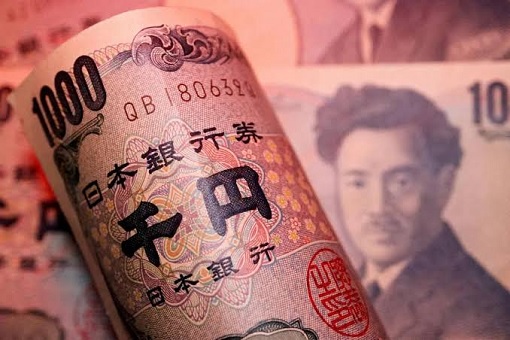
The biggest factor pressuring the yen is the gap between Japan’s ultra-low interest rates and those in the U.S. and other major economies. This has encouraged investors to borrow cheaply in yen and invest in higher-yielding assets overseas. The resulting capital outflows have put persistent pressure on the Japanese currency. While the Bank of Japan (BOJ) raised its benchmark interest rate in June to the highest in 31 years, the rate remains low by international standards.
Adding to the headwinds are investor concerns about Japan’s fiscal outlook. The country’s heavy debt burden – which exceeds 200% of gross domestic product, the highest among major economies or G20 – and persistent budget deficits have raised concerns that Japan’s government is spending beyond its means. This can erode confidence in Japanese assets and the yen.
The U.S.-Israel war with Iran has added more pressure on the yen. Japan imports almost all its energy, with the majority of its oil imports coming from the Middle East, making it highly exposed to disruptions in the region. Higher oil prices mean Japan must pay more for energy imports – in U.S. dollars – boosting demand for foreign currency at the expense of the yen.
To make matters worse, mounting global inflation stemming from the Middle East conflict has also shifted expectations around the trajectory of U.S. interest rates, from cuts to hikes, making U.S. dollar-denominated assets even more attractive, further undermining the local currency. Investors dumped Japanese yen in favour of the American dollar.
The yen’s slide over the past decade has helped to transform Japan into an affordable travel destination for millions of foreign tourists while boosting the profits of the nation’s biggest exporters. But in an economy heavily dependent on imported energy and raw materials, the feeble yen has also driven up costs, fuelling inflation for households and squeezing the profitability of domestically focused businesses.
The resulting cost-of-living crunch contributed to the downfall of two prime ministers before current Japanese Prime Minister Sanae Takaichi took office. There is growing concern that domestic inflation is becoming more entrenched. Japanese officials see mounting evidence that companies are passing higher costs on to customers more quickly than in the past.

Recently, Takaichi said she spends all day and most of the night plotting Japan’s economic recovery – but at the same time, she’s fighting to regain ground in national polls, with rising import costs, the Middle East energy shock and the weak yen all hitting her standing with voters. It became so bad that she announced in April that Japan would temporarily cut the sales tax on food to ease cost of living pressures.
But she is also promising to invest hundreds of billions in sectors across the economy, as part of a pro-growth agend. However, concerns over how all this spending will be funded – amid already huge levels of debt – have led to fears that her policies could blow up the economy, triggering a “Liz Truss-style shock”. This uncertainty has added fuel to market volatility, which in turn pushes the yen lower.
The first clues that the U.S. would intervene came during a Trump administration cabinet meeting on Friday. U.S. Treasury Secretary Scott Bessent was pictured with a note reading: “To Do. Buy Japanese Yen (JPY) US$5-10 billion”. Later, Bessent laid out his rationale for conducting a rare joint intervention with Japan to help stem the decline in the yen.

A weak yen could set off a chain of currency devaluations, which could hurt American companies. “If the yen were to weaken substantially, then the other currencies would follow it. It’s just the level of the yen that could trigger other problems or trigger competitive devaluations, which is unhealthy,” – said Bessent. Additionally, the yen’s weakness has in the past fueled global financial stability risks.
“The Asian financial crisis (in 1997-98), in my opinion, part of it was triggered by an overly weak yen. So I think a stable yen is not only important for the U.S., but it’s very important for the entire region.” – said Bessent. Crucially, the intervention gives Japan time to deliver on policies that can support the currency.
Trump has repeatedly criticised Japan’s weak currency, arguing that it gives Japanese manufacturers an unfair trade advantage. In March 2025, he took a more confrontational stance, proposing tariffs on Japanese goods as a response. The U.S. move to help support the yen in late July signalled a U-turn from Washington – Trump said the currency market intervention was a sign of friendship with Tokyo.
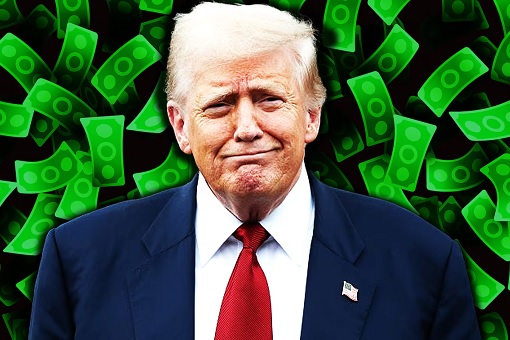
“Japan’s been very good to us, with the exception, of course, of Pearl Harbor,” – Trump said on Sunday, as he confirmed that the treasury had bought billions of dollars’ worth of Japanese yen – the first time in 30 years that the US has stepped in to strengthen the currency in such a way. The U.S. president said the intervention would be “good for the world economy.” In truth, a weak yen is not just a negative in terms of trade for the U.S.
Japan is the largest foreign holder of U.S. Treasuries, with more than US$1.1 trillion in holdings. By selling Treasuries, Japan could push down their price – but that could ultimately raise borrowing costs for the U.S. government. Already, the yield on U.S. Treasuries have climbed in recent weeks on concerns about inflation. Last week, the yield on 30-year U.S. bonds hit their highest level since 2007.
The flip side of a weak yen is a strong U.S. dollar, which can hurt U.S. exporters by making their goods more expensive for foreign buyers. And that could give Japanese exporters a competitive advantage in the United States. Last year, the U.S. imported US$146 billion worth of goods from Japan, and exported about US$82 billion.
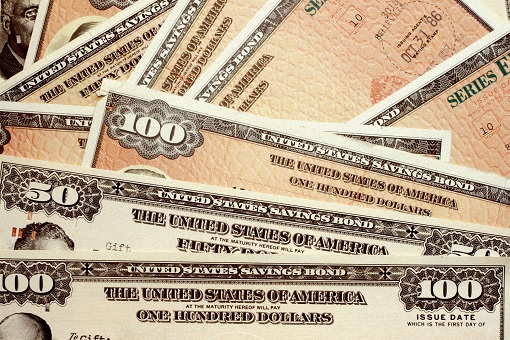
Economists are suggesting that the Trump administration’s intervention could be an attempt to limit the amount of U.S. government bonds that Japan sells. “Put yourself in Scott Bessent’s shoes,” – wrote Rebecca Patterson, a senior fellow at the council of foreign relations. “It is in his interest to do what he can to help Japan stabilize the yen sooner rather than later.”
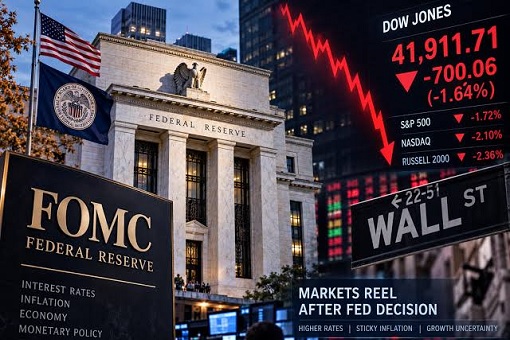
Still, the weakness in the yen will persist as long as Japanese interest rates remain so much lower than those in the U.S., where the Federal Reserve has held rates between 3.5% and 3.75%. Despite mounting inflation, the Japanese central bank raised interest rates to only 1% in June – the highest level in 31 years.
Other Articles That May Interest You …
- Japan Reveals Card Against Trump Tariff – U.S. Largest Creditor Threatens To Dump Its $1.1 Trillion U.S. Treasury
- Trump Has Already Lost His Trade War Against China – But He Can’t Find Ways To Climb Down And Save Face
- White House Privately Begging Xi To Call Trump First – But China Slapped 125% Tariff Instead
- Beijing Raises Tariffs To 125% – American Goods No Longer Marketable In China
- Forget Stock Markets, U.S. Bonds Crashes – US Panic As China Punched Back With 84% Tariffs And Devaluing Of Yuan
- Trump Crashes Stock Markets, Dollar & Oil – Here’s Why China Retaliates With 34% Tariff, And Wiped Off $6.6 Trillion
- Recession 2025 – Why You Should Prepare For A Historic Crash As Massive Correction Builds
- $6.4 Trillion Wipeout – Financial Meltdown Has Begun As The U.S. Heading Toward A Recession
- De-Dollarization Kicks Into High Gear – Chinese Yuan Hit Record High, Overtook Japanese Yen As 4th Most Used Currency
- From Terminating Trade Deal To Cancelling $1.1 Trillion Debt Owed To China – Here’re Some Of Trump’s Crazy & Dirty Ideas
- Watch Out Trump!! – China May Weaponize “Rare Earth” To Retaliate Against U.S.’ Ban On Huawei

|
|
August 5th, 2026 by financetwitter
|


|

|

|

|

|

|





















Comments
Add your comment now.
Leave a Reply